


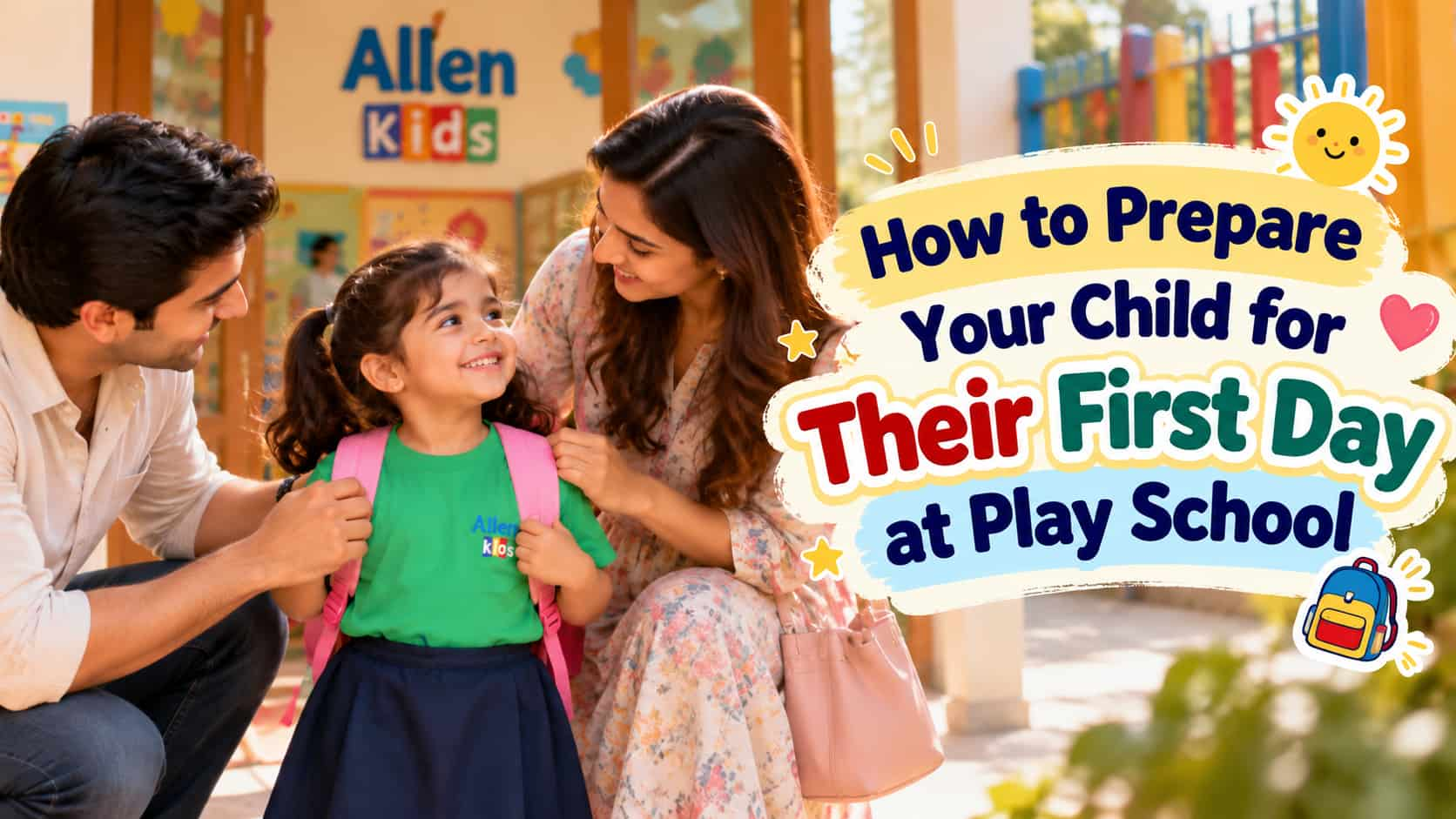
How to Prepare Your Child for Their First Day at Play School
Nobody warns you how big the first day of play school admission in Kanpur feels and not only for the child. You have spent two or three years as the person who handles everything and now you are handing the morning to strangers in a room you can't see into. Your child picks up on that. The reassuring part? The day itself is rarely the real work. The real work happens quietly in the fortnight before, in small routines and gentle conversations that make the new place feel less like a cliff edge. Prepare those and the first morning stops being a shock. It becomes the next thing that happens, which is exactly what you want. A good day 1 requires solid prep. Children cope better if a new thing has been softened ahead of time by familiar routines, a few well-practised skills and honest, cheerful talk about what is to come. All the stuff crammed into the last morning is pressure. Early preparation turns a scary unknown into something half-expected Skills learned slowly at home feel natural, not drilled under stress Small daily rhythms give an anxious child something steady to hold onto Play school runs on a clock and a child who already lives by one adjusts far quicker. Start shifting toward the timings of the preschool for kids in Kanpur. Do it at least a week or two before, not the night before. The body needs time to accept an earlier morning and so, frankly, does the mood. Match wake-up and nap times to the school's schedule in advance A predictable day lowers the background anxiety a child carries Routines you repeat become comforting Tired children unravel and the first day is the worst possible time for it. If drop-off is at nine, waking at eight-forty-five won't do. Walk the bedtime and wake time earlier by small steps over several days, so the new rhythm feels like theirs, not yours. Shift bedtime fifteen minutes earlier every couple of nights Protect the nap; a well-rested toddler copes with newness, a cranky one doesn't Keep weekends roughly aligned, or Monday undoes your week's work Wind down before bed, dim lights, a story, no screens right before sleep A rushed, chaotic morning sets the tone for everything after it. So practise the whole sequence a few times while the stakes are still zero. Wake, dress, eat, shoes, bag, out the door. By the real day, their body knows the drill even if their nerves don't. Do one or two full dress rehearsals, pretend drop-off included Lay out clothes and pack the bag the night before, every time Build in buffer minutes; children sense your panic the instant you hurry them Let them help, choosing the water bottle, carrying their own bag. Ownership calms A child who can manage a few basics alone feels capable and capable children fret less. You're not raising a prodigy here. Just a toddler who can ask for the toilet, eat without a full feeding and tug off a jacket. Small independence, big confidence. Self-help skills cut the frustration that fuels meltdowns A child who can voice a need won't sit silently stuck Every small thing done alone is a small win they feel These are the day's friction points and smoothing them in advance spares your child a lot of embarrassment and tears. None of it needs to be perfect by day one. It just needs to be started, so the classroom isn't the first place they ever try. Practise saying "I need the toilet" clearly, out loud, to an adult Let them eat finger foods and drink from their own bottle unaided Teach slip-on shoes and easy clothes; skip tricky buttons and tight laces Pop a labelled spare set of clothes in the bag, accidents happen and that's fine The crowd is the hard part for many kids. If yours hasn't been around much other little ones, ease them in before day one. A few play dates or mornings at the park teach taking turns and sharing space, lessons no classroom can teach as gently as play can. Schedule a few small playdates in the weeks leading up to Go to busy parks; so a room full of children is not such a shock Sharing the models and taking turns at home out loud so they hear the words Don’t push it, a shy child will warm up on their own time and that’s okay. The logistics are handled by skills and routines. But it’s the child’s attitude toward school that determines whether they walk in willing or wailing. This is the part parents rush and it matters most. How you talk about the place and how steady you seem, quietly becomes how your child feels about it. A child who feels safe about school separates far more easily Your calm is contagious; so, unfortunately, is your worry Naming feelings beforehand means fewer surprise tears on the day How you frame it shapes the expectation your child walks in with. Keep it warm and honest, not oversold. Promise a non-stop party and you set up a crash when reality is quieter. Describe the real, ordinary good bits instead, the toys, the songs, the new friends. Read picture books about starting school together, more than once Describe the actual day, play, snack, story, home, so it feels knowable Skip grand promises; "you'll love every second" can backfire by lunchtime Let them ask anything and answer the worried questions plainly, without brushing them off Children read parents like weather. If your voice tightens at the gate, they'll decide the gate is dangerous. So sort your own feelings out before the morning, not during it. A clingy, teary goodbye from you teaches them there's something here to fear. Work through your own anxiety at home, away from your child's eyes Keep the goodbye short, warm and certain; lingering makes it worse, not kinder Trust the teachers; they've settled hundreds of first-day criers before yours Save the wobble for the car. It's allowed there By now the groundwork's done, so these final hours are about keeping things calm, not cramming. Get everything ready early, keep the evening gentle and let the morning run on the routine you've already practised. No new lessons today. Just the familiar, done quietly. Pack the bag, lay out clothes and settle an early-ish bedtime Keep breakfast normal and unhurried; a fed child copes better Stay upbeat but low-key; big energy can read as big pressure Arrive with minutes to spare, so nobody's rushing through the door Set your expectations honestly and the week gets easier to ride out. Some children stroll in and never look back. Many cry, cling, or come home exhausted and clingy for days. Both are completely normal. Settling is a process measured in weeks, not a single triumphant morning. Tears at drop-off are common and usually stop minutes after you leave Expect some regression, extra clinginess, broken sleep, as they process it all Don't read one hard day as a verdict; judge the trend across a fortnight Keep in touch with the teacher, who sees the version of your child you don't The first week is about settling. Your child does not need to come home with a glowing report every afternoon. Keep the days predictable, give them space to talk and let the teachers handle the classroom transition. Here are tips for a smooth week after play school admission in Kanpur: Keep the same morning routine each day so the week feels predictable Ask simple questions such as “What did you play today?” rather than “Did you cry?” Give them extra rest after school; even happy days can be tiring Avoid packing the evenings with activities while they are still adjusting Praise small steps, such as walking into class, talking to a teacher or eating independently Keep drop-offs consistent, even if one morning goes badly Stay patient if your child becomes clingier or crankier at home for a while Speak to the teacher if a new behaviour continues rather than trying to solve it alone The first day of play school admission in Kanpur is a milestone dressed up as a morning and the families who sail through it are the ones who started early. You cannot spare your child every tear and you shouldn't try to. A few wobbles are fine, in fact they are a part of their learning. So, focus on settling the sleep, rehearsing the run, teaching the small independences and talking about it all with warmth rather than worry. Then keep the goodbye short and trust the people you chose. Do that and the first day of a preschool admission becomes what it should be, just a good beginning. If you're in Kanpur, somewhere near Mukherjee Vihar, search no more for “Play way School near me”. Allen Kids answers all your queries and promises an environment full of love, care and perosnalised attention for your little one! It varies a lot, but most children settle down in 2-4 weeks. Some, a couple of months. Some, a couple days. The mornings are not what matters; look at the trend over the weeks. Steady improvement, even if slow, is the sign that counts. No, unless the school has a planned settling-in period. Better a quick confident goodbye than a long hover which just tends to stretch the tears out. Leave it to the teachers . The longer you stay, the harder it is to leave, not the easier . Not necessarily, many play schools take children in the middle of their training and are used to accidents. Let staff know where your child is, pack spare clothes and keep practising at home. But do check the school’s own policy first. It is rarely worth holding up a whole term on this. No need to panic. A proper chat with the teacher is your first step to three or four weeks of persistent crying. Ask how your child is minutes after you leave. Most “criers” are cheerful by then. And if the distress really does last all day, then you can work out together what is behind it. Go slower, start social warm-up earlier, small play dates, familiar faces, more school reading. If the school is willing, visit the premises beforehand so the room is not brand new on day 1. Avoid a hurried pace. The shy child is best settled when the newness is offered in small, unpressured doses. Introduction
Why the Weeks Before Play School Matter
Create a Routine Before the First Day
Set Consistent Sleep and Wake-Up Times
Practice the Morning Routine before Your Play School Admission in Kanpur
Teach Essential Skills Before Play School Starts
Practice Toilet, Eating, and Dressing Skills
Encourage Sharing and Playing With Other Children
Prepare Your Child Emotionally for Play School Admission in Kanpur
Talk Positively About Starting School
Stay Calm and Confident as a Parent
How to Prepare the Night Before and on the First Morning
What to Expect During Your Child's First Week
Tips for a Smooth First Week at Play School
Conclusion
Your Queries Answered
How long does it usually take a child to settle in to play school?
Should I stay in the classroom on the first day to help my child transition?
My kid is still not fully toilet trained. Is it worth delaying the start?
What if my child cries for weeks, every morning?
How do I prepare a shy or particularly anxious child differently?


27+
Years of Experience

25+
Campuses

30,000+
Students

1850+
Staff
